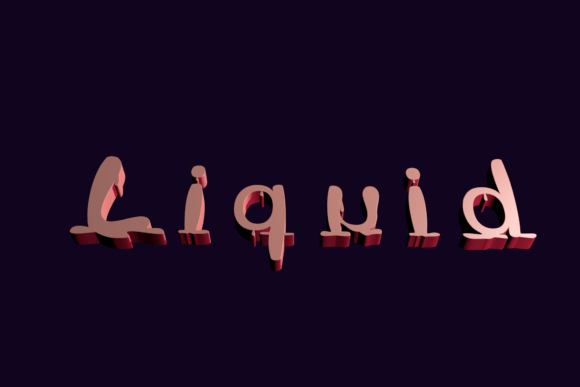
The Liquid 3D Font: A Dynamic Addition to Modern Design
When it comes to typography, the right font can make all the difference in a design. The Liquid 3D Font is one such typeface that stands out for its unique and eye-catching appearance. With its fluid, liquid-like structure, this font brings a sense of motion and energy to any project. Whether you're working on a website, a logo, or a print ad, the Liquid 3D Font offers a fresh and innovative approach to text styling.
One of the most striking features of the Liquid 3D Font is its ability to mimic the properties of liquid. Each letter seems to flow and shift, creating a visual effect that is both mesmerizing and modern. This dynamic quality makes the font ideal for projects that require a sense of movement or a contemporary aesthetic. It's particularly effective in digital media, where animation and interactivity are key components.
Key Characteristics of the Liquid 3D Font
The Liquid 3D Font is known for its distinctive visual traits. Its design incorporates elements that suggest transparency, depth, and motion. These characteristics are achieved through careful attention to detail in each character. The font’s curves and edges are smooth, giving the impression of liquid that is constantly in motion. This makes it a great choice for designs that aim to convey fluidity, creativity, or innovation.
Another notable feature of the Liquid 3D Font is its versatility. While it has a strong visual identity, it can be adapted to various contexts. For instance, it works well in both large-scale displays and smaller text sizes, making it suitable for a wide range of applications. Whether used as a headline or part of a body text, the font maintains its impact and readability.
The font also offers a high level of customization. Designers can adjust the opacity, color, and lighting effects to achieve different visual outcomes. This flexibility allows for greater creative freedom, enabling users to tailor the font to their specific needs. Additionally, the 3D aspect of the font adds a layer of depth that enhances the overall design.
Applications and Use Cases
The Liquid 3D Font is particularly useful in industries that prioritize visual appeal and innovation. In the realm of digital marketing, for example, it can be used to create eye-catching headlines for websites, social media posts, or advertisements. Its dynamic look helps to capture attention and leave a lasting impression on viewers.
In the world of graphic design, the font is often used in branding materials, such as logos, packaging, and promotional campaigns. Its unique style sets it apart from more traditional fonts, making it an excellent choice for brands that want to stand out in a competitive market. The font’s fluid nature also aligns well with themes of creativity, technology, and forward-thinking.
For web developers and designers, the Liquid 3D Font can enhance user experience by adding a visually engaging element to a site. When used effectively, it can guide users’ attention and improve the overall aesthetic of a webpage. However, it's important to balance its use with other design elements to ensure that the content remains readable and accessible.
Practical Benefits and Considerations
One of the main advantages of the Liquid 3D Font is its ability to elevate the visual appeal of a project. By incorporating this font, designers can create a more immersive and engaging experience for their audience. It’s especially beneficial for projects that aim to communicate a sense of movement, change, or transformation.
However, there are some practical considerations to keep in mind when using the Liquid 3D Font. Due to its complexity, it may not be suitable for all types of content. For instance, in situations where clarity and simplicity are essential, a more straightforward font might be a better choice. It’s also important to ensure that the font is compatible with the platforms and devices where it will be displayed.
Another factor to consider is the file size and performance of the font. Some 3D fonts can be resource-intensive, which may affect the loading speed of a website or application. To mitigate this, designers should optimize the font files and test them across different devices to ensure a smooth user experience.
Recommendations for Using the Liquid 3D Font
If you're looking to incorporate the Liquid 3D Font into your work, start by experimenting with different styles and layouts. Test the font in various contexts to see how it interacts with other design elements. This will help you determine the best way to use it without overwhelming the overall composition.
It’s also a good idea to pair the Liquid 3D Font with complementary typefaces. For example, using a clean and simple sans-serif font alongside the Liquid 3D Font can create a balanced and harmonious look. This approach ensures that the focus remains on the message while still benefiting from the font’s visual impact.
Additionally, consider the target audience when using the Liquid 3D Font. While it may appeal to younger or more tech-savvy demographics, it may not resonate as strongly with more traditional or conservative audiences. Understanding your audience’s preferences can help you decide whether this font is the right fit for your project.
Finally, always keep accessibility in mind. Ensure that the font is legible and that the contrast between the text and background is sufficient. This is especially important for users with visual impairments or those accessing content on mobile devices.